Would you like to switch to the accessible version of this site?

Go to accessible site Close modal window

Don't need the accessible version of this site?

Hide the accessibility button Close modal window
Accessibility View Close toolbar
Countryside Animal Hospital

Call today:

(419) 882-7688

Open mobile navigation
  • Home
  • Patient Center
    • Online Forms
    • What to Expect
    • Veterinary Resources
    • Payment Options
  • Our Links
  • About Us
    • Services
    • Meet Our Team
  • Careers
  • Petsimonials
  • Iditarod
  • FAQ
    • Pet Surgery/Home Care
    • New Pet
    • Fleas, Tick and Heartworms
    • Dental Care
  • Contact Us
  • Veterinary Topics
    • Pet Health
      • Chronic Conditions
      • Digestive and Oral Health
      • Diseases and Viruses
      • Pests and Parasites
      • Orthopedics
    • Today's Veterinarian
    • Choosing Your Pet
      • Finding Your Pet
      • Cats
      • Dogs
      • Exotics
        • Amphibians
        • Birds
        • Reptiles
          • Lizards
          • Turtles
      • Small Mammals
        • Ferrets
        • Rabbits
        • Domesticated Animals
          • Prairie Dogs
        • Pocket Pets
          • Chinchillas
          • Guinea Pigs
          • Hamsters
          • Hedgehogs
          • Rats
      • Livestock
        • Cows
        • Donkeys, Horses & Mules
        • Goats
        • Pigs
        • Poultry
        • Sheep
    • Living With Your Pet
      • Bringing Your Pet Home
      • Children and Pets
      • Providing Care
      • Travel
      • Saying Goodbye
    • Newsletter Library
      • Cats
      • Tips for Pet Owners
      • Behavior & Training
      • Fleas & Parasites
      • Keeping Pets Healthy
      • Recognizing Illness
      • Nutrition & Food
      • Pet Dangers
      • Seasonal Topics
      • Visiting the Vet
      • Equine
      • Newsletter Archive
        • Fun with Pets
        • Unbelievable Pets
    • Video Newsroom
      • Health Topics
      • Technology and Science
      • Other Interests
    • Newsletter Library
    • Client Survey
    • Pets4Kids
  • The Big Give
  • Home >
  • Articles >
  • Newsletter Library >
  • Tips for Pet Owners >
  • 5 Common Myths About Pets

5 Common Myths About Pets

  • Created in Newsletter Library, Tips for Pet Owners
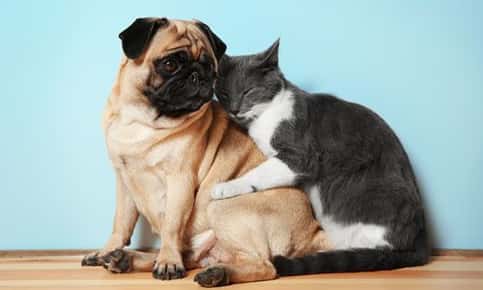
An image of a small dog and a cat embraced as they sit together on the floor of a home.

Can you imagine a life without pets? Our pets bring us so much joy and enrichment. Life wouldn't be quite the same without them. Although pets quickly become cherished members of the family, they aren't people and don't always behave or the react the same way your human family members do. Examining these common pet myths can help you better understand your furry friends.

Myth #1 - People and Pets Can't Share Diseases

Zoonotic diseases are transmitted between people and animals. Rabies is the most well-known zoonotic disease, but it's not the only one. Others include cat scratch disease, salmonellosis, roundworm, hookworm, ringworm and toxoplasmosis.

You can reduce your risk of contracting a disease from your pet by washing your hands after you pet him or her or handle urine or feces. Do you kiss your pet? Although the habit may help you feel closer to your furry friend, it may sicken you. Your dog or cat's mouth contains bacteria that can make you ill. Although you're much more likely to become ill if you have a weak immune system, it's a good idea to save your kisses for your human family members.

Myth #2 - Pets Know Why You're Yelling at Them

Pets don't place the same value on your possessions as you do. When they're bored, they may tear apart the couch cushion, knock over plants or get into other types of trouble. Behaviors we consider "bad" also tend to occur if pets feel anxious or have separation anxiety. Although your pet may cower if you begin yelling, that doesn't mean that he or she understands why you're upset or realizes that it has anything to do with the cushion he or she destroyed hours ago.

Yelling at your pet serves no purpose if you don't catch your dog or cat in the act. If you do spot your pet about to tip over your favorite plant or dig into the garbage, a sharp "no" is all that's needed. Although a long, loud lecture may make you feel better, it won't have any effect on your pet's future behavior.

If your dog tends to get into trouble while you're away, confine him or her to one room or to a crate. Keep in mind that crates shouldn't be used all day long. Keep anything your pet finds too hard to resist out of reach to prevent mishaps.

Myth #3 - Cats Have 9 Lives

While it would be nice if cats really did have nine lives, they can become sick or injured just as easily as any other pet. The belief that cats always land on their feet after falls isn't true either. Cats have a natural righting reflex that allows them to re-position their bodies in mid-air. Unfortunately, if they fall from fairly low heights they don't have enough time to right themselves and can experience serious injuries. In 1984, veterinarians at The Animal Medical Center in New York City studied the phenomenon. They discovered that cats that fell from higher distances had the best chances for survival.

Myth #4- There's No Need to Brush Your Pet's Teeth

Pet's aren't immune from tooth decay. Tooth loss can affect your pet's ability to chew and may even lead to nutritional deficiencies. If your pet develops a bacterial infection due to severe tooth decay, the infection may even spread to the heart or brain.

Brushing your pets' teeth with gauze or special brushes that fit over your finger can help reduce tooth decay. It's usually easier to start brushing when your pet is young, although older pets can adjust to teeth cleaning with plenty of patience. If your pet absolutely won't cooperate, don't force the issue. Although teeth cleaning is beneficial, it's not worth the risk of an injury to yourself or your pet.

Myth #5 - You Only Need to Take Your Pet to the Vet in the Case of Illness

Just like people, pets need regular medical care to stay healthy. In addition to detecting health problems, such as diabetes and kidney failure, regular veterinary visits help ensure that your pet receives vaccinations that prevent common diseases, such as rabies, distemper, bordetella, parvovirus, adenovirus, feline leukemia and canine influenza. Veterinarians can also offer helpful advice on behavioral issues and provide suggestions that will help your overweight pet lose weight.

Protect your pet's health by scheduling a veterinary examination at least once per year. Call us today to make your pet's appointment.

Sources:

Hills Pet: Caring for Your Dog

http://www.hillspet.com/en/us/dog-care/resources/dog-myths

Prevention: 9 Pet Myths Debunked, 10/26/12

http://www.prevention.com/health/healthy-living/pet-health-care-myths-to-ignore/slide/5

American Animal Hospital Association: Brushing Your Dog’s Teeth

https://www.aaha.org/pet_owner/lifestyle/your-pets-dental-health-how-to-brush-your-pets-teeth-(and-why).aspx

New York Times: On Landing Like a Cat, 8/22/89

http://www.nytimes.com/1989/08/22/science/on-landing-like-a-cat-it-is-a-fact.html?mcubz=0

  • Pet Health
    • Chronic Conditions
    • Digestive and Oral Health
    • Diseases and Viruses
    • Pests and Parasites
    • Orthopedics
  • Today's Veterinarian
  • Choosing Your Pet
    • Finding Your Pet
    • Cats
    • Dogs
    • Exotics
      • Amphibians
      • Birds
      • Reptiles
        • Lizards
        • Turtles
    • Small Mammals
      • Ferrets
      • Rabbits
      • Domesticated Animals
        • Prairie Dogs
      • Pocket Pets
        • Chinchillas
        • Guinea Pigs
        • Hamsters
        • Hedgehogs
        • Rats
    • Livestock
      • Cows
      • Donkeys, Horses & Mules
      • Goats
      • Pigs
      • Poultry
      • Sheep
  • Living With Your Pet
    • Bringing Your Pet Home
    • Children and Pets
    • Providing Care
    • Travel
    • Saying Goodbye
  • Newsletter Library
    • Cats
    • Tips for Pet Owners
    • Behavior & Training
    • Fleas & Parasites
    • Keeping Pets Healthy
    • Recognizing Illness
    • Nutrition & Food
    • Pet Dangers
    • Seasonal Topics
    • Visiting the Vet
    • Equine
    • Newsletter Archive
      • Fun with Pets
      • Unbelievable Pets
  • Video Newsroom
    • Health Topics
    • Technology and Science
    • Other Interests
  • Newsletter Library
  • Client Survey
  • Pets4Kids

Contact Us

We look forward to hearing from you

Error!

    • Make an Appointment

      We will do our best to accommodate your busy schedule. Request an appointment today!
      Request Now
    • Our Services

      We strive to provide complete care for our patients. Learn more about all the services we provide.
      Read More
    • Testimonials

      We have been taking our dogs here since 1988 & we couldn't be happier with the services we have received! Ellison Weber - Sylvania, OH
      Read More

    Office Hours

    Our Regular Schedule

    Countryside Animal Hospital

    Monday:

    8:00AM - 4:00PM

    Tuesday:

    7:00AM - 4:00PM

    Wednesday:

    8:00AM - 6:00PM

    Thursday:

    7:00AM - 4:00PM

    Friday:

    8:00AM - 4:00PM

    Saturday:

    Closed

    Sunday:

    Closed

    Closed

    Location

    Find us on the map

    Testimonial

    • "We have been taking our dogs here since 1988 & we couldn't be happier with the services we have received!"
      Ellison Weber - Sylvania, OH

    Featured Articles

    Read about interesting topics

    • March Newsletter: How to Keep Your Cat Safe When Outdoors

      Wondering how your cat can safely spend time outdoors? ...

      Read More
    • March Newsletter: How to Choose Safe Blankets for Pets

      Do you know how to pick a safe blanket for your pet? ...

      Read More
    • February Newsletter: How to Reduce Dental Anxiety in Pets

      Does your pet hate toothbrushing? These tips could reduce dental anxiety. ...

      Read More
    • February Newsletter: How to Safely Change Your Cat’s Food

      Buying a new food for your cat? Find out how to switch foods safely. ...

      Read More
    • January Newsletter: Signs Your Pet Needs a Wellness Exam

      Does your pet need a wellness exam? ...

      Read More
    • January Newsletter: How Your Veterinarian Can Help If Your Pet Ingests Something Toxic

      Has your pet eaten something it shouldn't have? Find out how your vet can help. ...

      Read More
    • December Newsletter: Signs Your Pet Needs a Professional Cleaning

      Do you know when your pet needs a professional cleaning? ...

      Read More
    • December Newsletter: Simple Ways to Keep Your Home Flea-Free for Your Pet’s Well-being

      Never want to see another flea again? Try these tips for a flea-free home. ...

      Read More
    • November Newsletter: The Importance of Bloodwork for Your Pet’s Health

      Wondering if your pet really needs bloodwork? Find out the benefits of blood tests for your furry friend. ...

      Read More
    • November Newsletter: Turkey Day Tips for Pet Owners

      Don't forget about your pet when making Turkey Day preparations. ...

      Read More

    Newsletter Sign up

    Signup for more articles

    Error!

      • Copyright © 2026 MH Sub I, LLC dba iMatrix.
      • Admin Log In
      • Site Map