Would you like to switch to the accessible version of this site?

Go to accessible site Close modal window

Don't need the accessible version of this site?

Hide the accessibility button Close modal window
Accessibility View Close toolbar
Countryside Animal Hospital

Call today:

(419) 882-7688

Open mobile navigation
  • Home
  • Patient Center
    • Online Forms
    • What to Expect
    • Veterinary Resources
    • Payment Options
  • Our Links
  • About Us
    • Services
    • Meet Our Team
  • Careers
  • Petsimonials
  • Iditarod
  • FAQ
    • Pet Surgery/Home Care
    • New Pet
    • Fleas, Tick and Heartworms
    • Dental Care
  • Contact Us
  • Veterinary Topics
    • Pet Health
      • Chronic Conditions
      • Digestive and Oral Health
      • Diseases and Viruses
      • Pests and Parasites
      • Orthopedics
    • Today's Veterinarian
    • Choosing Your Pet
      • Finding Your Pet
      • Cats
      • Dogs
      • Exotics
        • Amphibians
        • Birds
        • Reptiles
          • Lizards
          • Turtles
      • Small Mammals
        • Ferrets
        • Rabbits
        • Domesticated Animals
          • Prairie Dogs
        • Pocket Pets
          • Chinchillas
          • Guinea Pigs
          • Hamsters
          • Hedgehogs
          • Rats
      • Livestock
        • Cows
        • Donkeys, Horses & Mules
        • Goats
        • Pigs
        • Poultry
        • Sheep
    • Living With Your Pet
      • Bringing Your Pet Home
      • Children and Pets
      • Providing Care
      • Travel
      • Saying Goodbye
    • Newsletter Library
      • Cats
      • Tips for Pet Owners
      • Behavior & Training
      • Fleas & Parasites
      • Keeping Pets Healthy
      • Recognizing Illness
      • Nutrition & Food
      • Pet Dangers
      • Seasonal Topics
      • Visiting the Vet
      • Equine
      • Newsletter Archive
        • Fun with Pets
        • Unbelievable Pets
    • Video Newsroom
      • Health Topics
      • Technology and Science
      • Other Interests
    • Newsletter Library
    • Client Survey
    • Pets4Kids
  • The Big Give
  • Home >
  • Articles >
  • Newsletter Library >
  • Signs That Your Cat is Experiencing Pain

Signs That Your Cat is Experiencing Pain

  • Created in Newsletter Library

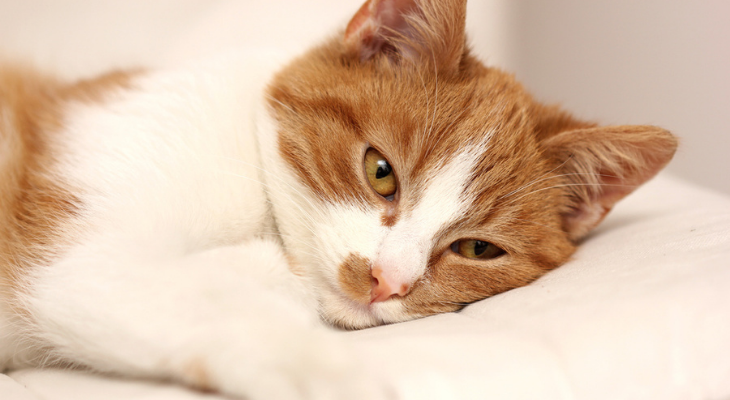
Cat laying in bed

Is Your Cat Suffering From Pain?

Hiding pain is one of your cat's natural instincts. In fact, displaying pain or weakness makes cats an attractive target for predators in the wild. Although dangerous predators don't lurk in your home, those instincts still surface when your favorite feline is suffering. Luckily, a few tell-tale signs can help you determine if your pet is hurt or sick. Your cat may exhibit one or more of these behaviors if it's in pain.

Frequent Meowing

Your cat can't tell you where it hurts but can communicate with you by vocalizing. If your pet meows more often than normal, pain may be the reason. Cats in pain may also hiss or growl, particularly if you happen to touch a painful area. Purring doesn't always mean that your cat is happy. In fact, purring can also occur if your pet is in pain or stressed.

Breathing Changes

Has a sharp pain ever taken your breath away or changed your breathing pattern? Your cat may react the same way. Rapid breathing or panting are signs that something isn't quite right with your pet.

Hiding Out

If your pet is spending most of its time under a bed or in another out-of-the-way place, pain may be the reason. When that natural instinct kicks in, pets automatically look for a safe, secure hiding place. In addition to providing protection from predators, hiding spots also prevent curious children or concerned family members from bothering your pet.

Trouble Moving

Your cat may have problems jumping, walking, or struggling to stand if it's in pain. Limping, shaking, and restlessness could also mean that something hurts. You may notice that your cat can't seem to find a comfortable position, avoids putting all of its weight on an injured limb, or does not want to be held.

Behavioral Changes

A normally friendly cat may become irritable or aggressive due to pain. Other cats may not hide but might actually want to spend more time with you if they are in pain. Any of these changes in your cat's behavior could be caused by pain:

  • Poor appetite
  • Drooling
  • Weight loss
  • No interest in grooming (matted fur and a messy coat can be signs of grooming issues)
  • Urinating or defecating outside the litter box
  • Sleeping more or less than normal
  • Lack of interest in spending time with family members
  • Biting or licking part of the body
  • Disinterest in playing

Physical Changes

Your poor pet may grimace when a bout of pain strikes or walk a little differently. You may notice glazed eyes, large pupils, frequent blinking, or tail flicking. A cat in pain may look hunched and keep its feet tucked under its body.

Common Causes of Pain in Cats

Pain can occur for many reasons. Your cat could have been hurt after a fall down the steps or when playing with another pet. Does your pet spend time outdoors? Poisoning, an attack from a wild animal, or a car accident could be the reason your pet's behavior has changed.

A health disease or condition could also be the source of the pain. Common conditions that cause pain include:

  • Toothache
  • Stomatitis (inflammation of the mouth)
  • Cancer
  • Urinary tract infection
  • Urinary tract blockage
  • Bladder stone
  • Interstitial cystitis
  • Kidney failure
  • Abscess
  • Soft tissue injuries
  • Nerve damage
  • Ear infection
  • Eye infection or condition
  • Digestive problems
  • Orthopedic (bone) disorders
  • Ingrown nails

Arthritis, a degenerative joint disease, is a common cause of pain for older cats. Pain and difficulty jumping or walking can be signs of arthritis. The disease often affects the elbow, ankle, knee, or hip joints in cats, according to the American College of Veterinary Surgeons.

Even subtle changes in your cat's behavior may mean that your furry friend is struggling with pain. If you've noticed any of these behaviors in your pet, give our office a call as soon as possible. We can offer treatments that will ease your pet's pain and improve its comfort.

Sources:

American Animal Hospital Association: How to Tell if Your Cat Is in Pain

Hill’s: Is Your Cat Hiding Her Pain? Recognizing the Signs & Symptoms, 7/11/16

International Veterinary Academy of Pain Management: Common Signs of Pain in Dogs and Cats

dvm360: Feline Chronic Pain, 1/8/19

American College of Veterinary Surgeons: Osteoarthritis in Cats

  • Pet Health
    • Chronic Conditions
    • Digestive and Oral Health
    • Diseases and Viruses
    • Pests and Parasites
    • Orthopedics
  • Today's Veterinarian
  • Choosing Your Pet
    • Finding Your Pet
    • Cats
    • Dogs
    • Exotics
      • Amphibians
      • Birds
      • Reptiles
        • Lizards
        • Turtles
    • Small Mammals
      • Ferrets
      • Rabbits
      • Domesticated Animals
        • Prairie Dogs
      • Pocket Pets
        • Chinchillas
        • Guinea Pigs
        • Hamsters
        • Hedgehogs
        • Rats
    • Livestock
      • Cows
      • Donkeys, Horses & Mules
      • Goats
      • Pigs
      • Poultry
      • Sheep
  • Living With Your Pet
    • Bringing Your Pet Home
    • Children and Pets
    • Providing Care
    • Travel
    • Saying Goodbye
  • Newsletter Library
    • Cats
    • Tips for Pet Owners
    • Behavior & Training
    • Fleas & Parasites
    • Keeping Pets Healthy
    • Recognizing Illness
    • Nutrition & Food
    • Pet Dangers
    • Seasonal Topics
    • Visiting the Vet
    • Equine
    • Newsletter Archive
      • Fun with Pets
      • Unbelievable Pets
  • Video Newsroom
    • Health Topics
    • Technology and Science
    • Other Interests
  • Newsletter Library
  • Client Survey
  • Pets4Kids

Contact Us

We look forward to hearing from you

Error!

    • Make an Appointment

      We will do our best to accommodate your busy schedule. Request an appointment today!
      Request Now
    • Our Services

      We strive to provide complete care for our patients. Learn more about all the services we provide.
      Read More
    • Testimonials

      We have been taking our dogs here since 1988 & we couldn't be happier with the services we have received! Ellison Weber - Sylvania, OH
      Read More

    Office Hours

    Our Regular Schedule

    Countryside Animal Hospital

    Monday:

    8:00AM - 4:00PM

    Tuesday:

    7:00AM - 4:00PM

    Wednesday:

    8:00AM - 6:00PM

    Thursday:

    7:00AM - 4:00PM

    Friday:

    8:00AM - 4:00PM

    Saturday:

    Closed

    Sunday:

    Closed

    Closed

    Location

    Find us on the map

    Testimonial

    • "We have been taking our dogs here since 1988 & we couldn't be happier with the services we have received!"
      Ellison Weber - Sylvania, OH

    Featured Articles

    Read about interesting topics

    • March Newsletter: How to Keep Your Cat Safe When Outdoors

      Wondering how your cat can safely spend time outdoors? ...

      Read More
    • March Newsletter: How to Choose Safe Blankets for Pets

      Do you know how to pick a safe blanket for your pet? ...

      Read More
    • February Newsletter: How to Reduce Dental Anxiety in Pets

      Does your pet hate toothbrushing? These tips could reduce dental anxiety. ...

      Read More
    • February Newsletter: How to Safely Change Your Cat’s Food

      Buying a new food for your cat? Find out how to switch foods safely. ...

      Read More
    • January Newsletter: Signs Your Pet Needs a Wellness Exam

      Does your pet need a wellness exam? ...

      Read More
    • January Newsletter: How Your Veterinarian Can Help If Your Pet Ingests Something Toxic

      Has your pet eaten something it shouldn't have? Find out how your vet can help. ...

      Read More
    • December Newsletter: Signs Your Pet Needs a Professional Cleaning

      Do you know when your pet needs a professional cleaning? ...

      Read More
    • December Newsletter: Simple Ways to Keep Your Home Flea-Free for Your Pet’s Well-being

      Never want to see another flea again? Try these tips for a flea-free home. ...

      Read More
    • November Newsletter: The Importance of Bloodwork for Your Pet’s Health

      Wondering if your pet really needs bloodwork? Find out the benefits of blood tests for your furry friend. ...

      Read More
    • November Newsletter: Turkey Day Tips for Pet Owners

      Don't forget about your pet when making Turkey Day preparations. ...

      Read More

    Newsletter Sign up

    Signup for more articles

    Error!

      • Copyright © 2026 MH Sub I, LLC dba iMatrix.
      • Admin Log In
      • Site Map